
Skip this decision through another hurricane season and here's what it costs you: a garage door that's been quietly ignored behind boxes or drywall can fail the exact moment a storm puts pressure on it, and a spring left under tension in a closed-up, humid room can snap without warning. Neither of those is a hypothetical in South Florida. If you've turned the garage into a den, home gym, or workshop and the door is still sitting there, untouched, it's worth settling this argument before next season's storms roll in.
The Core Disagreement
One spouse wants to treat the old garage door like it's just a weird interior wall now — leave it closed, forget it exists, move on. The other is worried that's not actually how it works. The second spouse is right. A garage door isn't a wall. It's a large moving assembly with springs under tension, a motor, tracks, and weatherstripping, all engineered to handle wind load, rain, and repeated cycling. When you stop using it but don't properly address it, you haven't removed those parts — you've just stopped maintaining them while continuing to ask them to hold up part of your home's exterior.
What Actually Happens When the Door Just Sits There
- Springs lose their reliability. Torsion and extension springs are built for repeated cycles. Left static for long stretches in a humid, enclosed room, they can still rust and weaken, and when something does move them (a storm pressure change, a bump, someone testing the opener out of curiosity), they can fail without the gradual warning signs you'd normally notice from daily use.
- Moisture has nowhere to go. A converted garage often loses the ventilation the space used to get from the door opening and closing daily. Humidity builds up against the inside of the door panels and track hardware, which accelerates rust on steel components and swelling on wood-trimmed doors.
- Wind-load integrity gets forgotten. Garage doors here are rated to withstand specific wind pressures for a reason — this is hurricane territory. If the door is left in place but never inspected, you have no idea whether it still meets that rating after months of sitting unused, corroding, or getting bumped by whatever's now stacked against it.
- Pest and water entry points open up. Weatherstripping degrades whether you use the door or not. Afternoon downpours find gaps at the bottom seal and side tracks, and small gaps are exactly what palmetto bugs and rodents look for.
- The opener keeps drawing power for nothing. A plugged-in opener on a door nobody uses is doing no useful work, but it's still a motor and a set of electronics exposed to garage heat and humidity, slowly degrading.
The Two Real Options
There isn't a middle ground where you just ignore it — but there are two legitimate paths, and the right one depends on how permanent this conversion is meant to be.
Option 1: Keep the Door Functional
If there's any chance you'll want the garage back — for resale, for actual vehicle storage, for flexibility — keep the door in working order. That means regular maintenance even though you're not using it daily: lubricating tracks and rollers, checking spring tension, testing the auto-reverse safety feature, and inspecting weatherstripping before storm season. A door that still opens and closes properly also preserves your home's resale value; buyers and appraisers generally see a converted garage with a non-functional door as a bigger red flag than one that's simply set up as a flex space but still operates.
Option 2: Properly Wall It In
If the conversion is permanent, the more honest fix is removing the door assembly and framing in a real wall — insulated, vapor-barriered, and finished to match the exterior. This is a bigger job and a real cost, but it eliminates the ongoing risk of a half-maintained door hardware system sitting inside a finished room, and it closes up the wind-load question properly instead of leaving it ambiguous. Check with your local building department before going this route, since exterior wall changes typically involve inspection and permitting.
When to Call Sunrise Garage Door
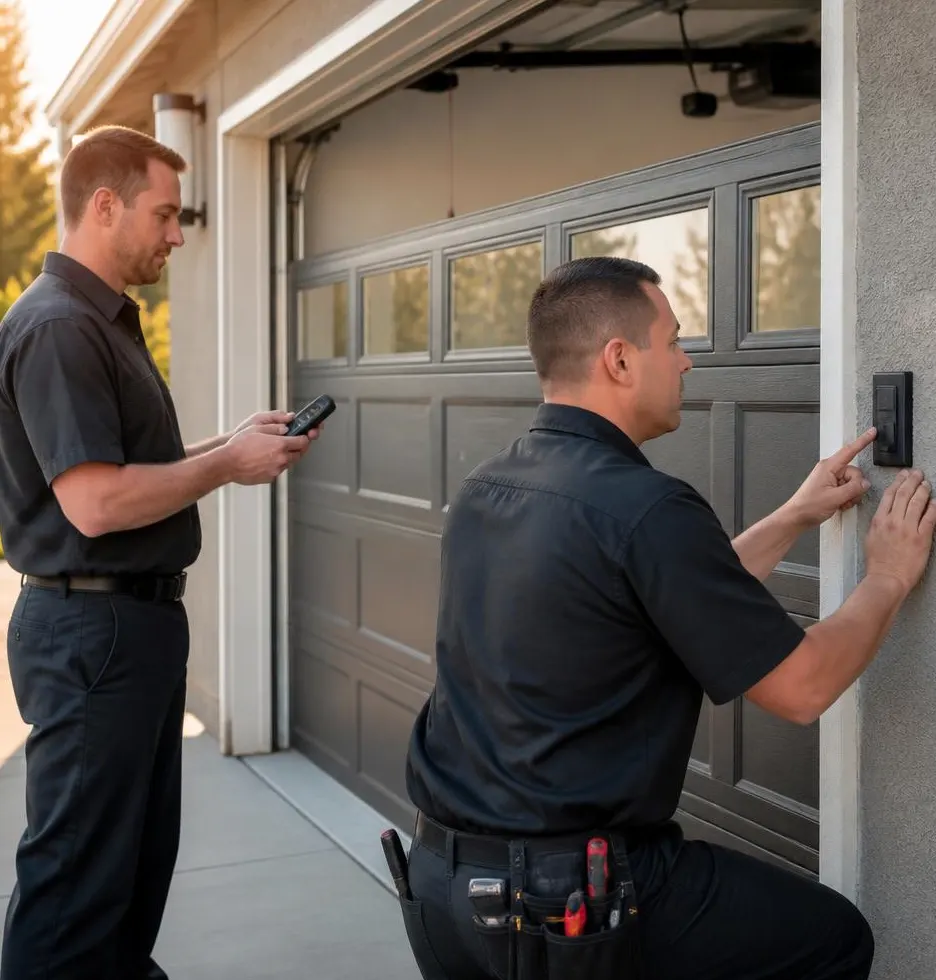
If you're not sure which camp you're in — keep it or kill it — that's exactly the kind of call Sunrise Garage Door takes regularly. We'll inspect the existing door and springs, tell you honestly whether it's safe to keep operational or whether it's past the point of reliable repair, and handle either direction: a proper Garage Door Maintenance visit to get a kept door storm-ready, or a Garage Door Installation consult if you're leaning toward removing it and want the opening addressed correctly. We serve Sunrise, Plantation, Fort Lauderdale, Tamarac, Lauderhill, Coral Springs, Davie, and Weston.
Settle the argument with a straight answer instead of a guess — call Sunrise Garage Door and we'll tell you exactly what shape your door is in.